Men's Health and Osteoporosis: The Silent Risk Many Men Overlook
When most people think about osteoporosis, they think about women. While women are at higher risk, osteoporosis affects millions of men as well. In fact, up to one in four men will experience an osteoporosis-related fracture during their lifetime. Unfortunately, many men are never screened or diagnosed until a painful fracture occurs.
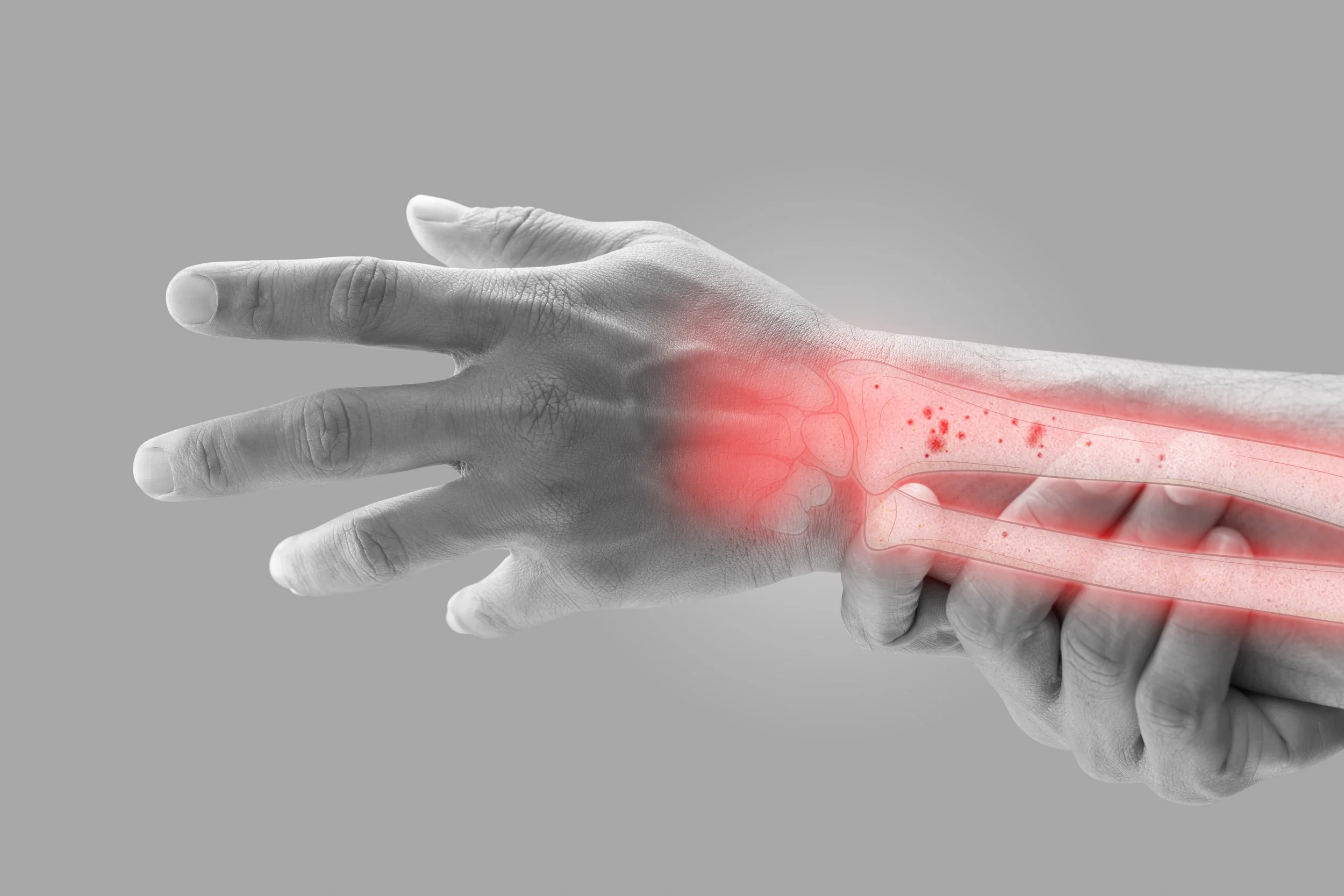
What is Osteoporosis?
Osteoporosis is a condition that causes bones to become weak, brittle, and more likely to break. Bone loss happens gradually over time, often without any symptoms. That is why osteoporosis is often referred to as a “silent disease.” A fracture might be the first “symptom” someone experiences.
A simple fall may lead to a fracture. Common fracture sites include the hip, spine, and wrist. These injuries can significantly affect mobility, independence, and overall quality of life.
Why are Men at Risk?
As men age, bone density naturally declines. Several factors can increase the risk even further, including:
Age over 65
Low testosterone levels
Smoking or vaping
Excessive alcohol use
Physical inactivity
Long-term use of steroid medications or other medications related to low bone density
A family history of osteoporosis
Low calcium or vitamin D intake
Because osteoporosis is less commonly discussed in men, many are unaware they have risk factors.
There are steps men can take to maintain strong bones throughout life:
Stay Active
Weight-bearing exercises such as walking, hiking, jogging, and strength training help stimulate bone growth and slow bone loss.
Eat for Strong Bones
Calcium and vitamin D are essential for bone health. Dairy products, leafy green vegetables, fortified foods, and fatty fish are good sources. Your healthcare provider can also recommend supplements if needed.
Avoid Tobacco and Limit Alcohol
Smoking weakens bones and slows healing. Excessive alcohol use can interfere with the body's ability to build and maintain healthy bone tissue.
Talk to Your Doctor
Men with risk factors or a history of fractures should discuss bone density testing with their healthcare provider. DEXA scans are quick, painless, and can arm you with the information needed to take care of your bones. Early detection can identify bone loss before a fracture occurs. The Wellness Center for Bone and Joint Health provides a free community level bone density screening that provides similar information to a DEXA scan. This may be right for you if you are experiencing long wait times for an appointment or if your insurance deems it too early for a regular DEXA scan.
In Short
Osteoporosis is not just a women's health issue. Men can develop osteoporosis, suffer fractures, and experience serious complications from poor bone health. By staying active, eating a balanced diet, and talking with a healthcare provider about risk factors, men can take important steps to protect their bones and maintain their independence for years to come.