Protein: A Key Nutrient for Preventing Muscle Loss
As we age, maintaining muscle becomes just as important as building it. Muscle loss, also known as sarcopenia, can begin as early as our 30s and accelerates with age, illness, or periods of inactivity. The good news is that one of the most effective tools to slow or prevent muscle loss is something we interact with every day: protein!
Protein plays a key role in repairing and rebuilding our muscle fibers. When we do not consume enough, the body may break down existing muscle to meet its needs. Over time, this can impact strength, balance and mobility. By pairing adequate protein intake with regular movement or resistance-based activity is one of the best strategies for preserving muscle health across our lifespan.
How Much Protein Do We Need?
Protein needs vary depending on our age, activity level and health status. Older adults often need more protein per pound of body weight than younger adults to stimulate muscle repair and growth. Spreading protein intake evenly throughout the day, rather than loading it all into one meal, can help the body use it more efficiently.
If you’re unsure what’s right for you, a registered dietitian or healthcare provider can help tailor recommendations to your needs.
Protein-Dense Foods to Support Muscle Health
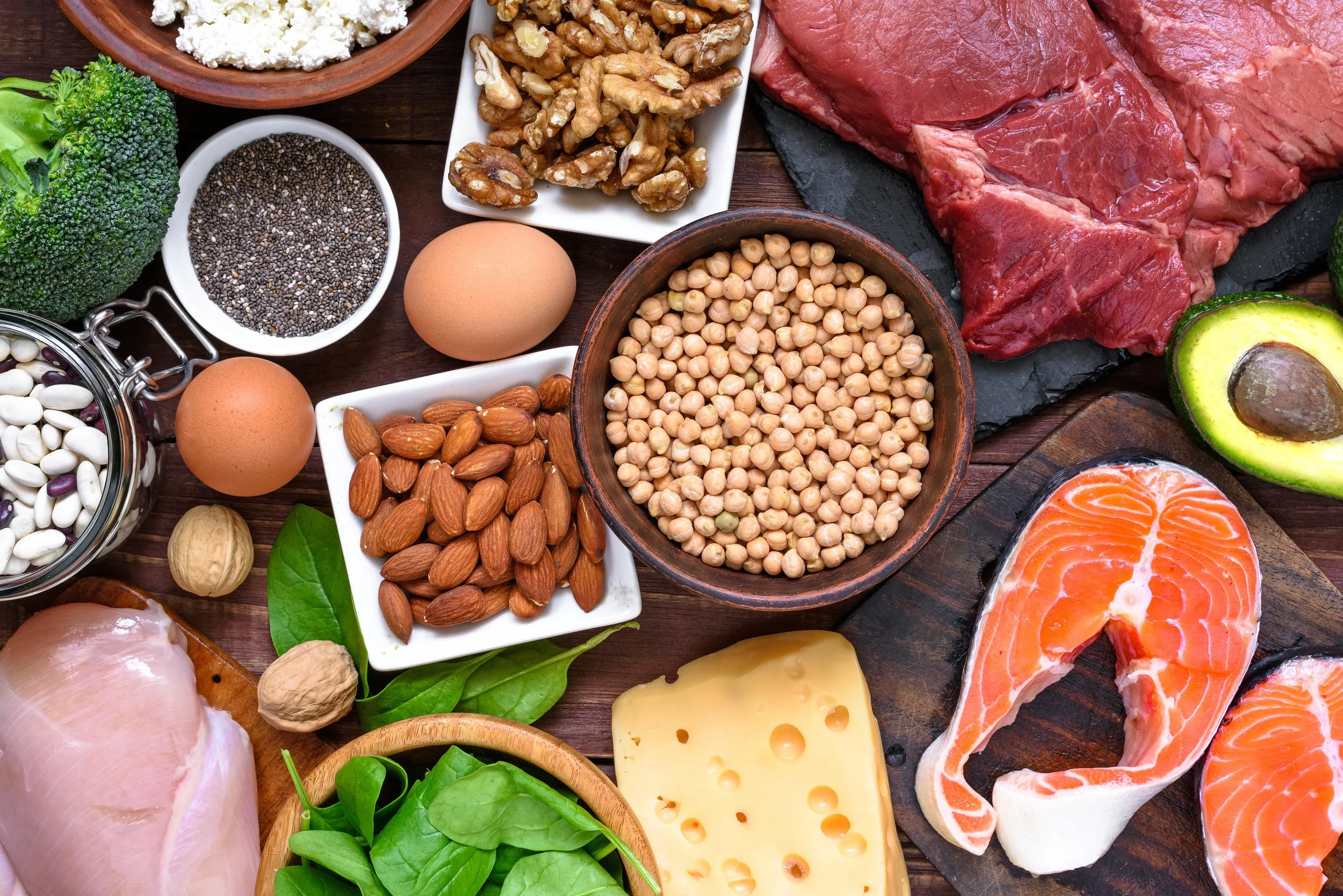
Getting enough protein doesn’t have to mean complicated meal planning. Many everyday foods are packed with high-quality protein. Here’s a helpful list to mix and match based on your preferences, dietary needs, and budget.
Animal-Based Protein Sources:
Chicken breast: lean, versatile and high in protein
Turkey - great to add to sandwiches, soup and stir-fries
Eggs - a complete protein with all essential amino acids
Greek yogurt - higher in protein than regular yogurt
Cottage cheese - high in protein per serving
Fish - Salmon, tuna and cod are protein dense plus contain heart-healthy fats
Lean beef - protein, iron and vitamin B12
Milk - simple way to add protein to meals and snacks
Plant-Based Protein Sources:
Beans - black, kidney and chickpeas are affordable and fiber-rich
Lentils - high in protein, quick to cook
Tofu - absorbs flavor well and easy to add to many dishes
Tempeh - fermented soy with a firm texture and more protein
Edamame - protein packed snack or salad topper
Quinoa - a complete protein grain
Chia seeds - small but mighty, filled with protein and omega-3s
Nuts, Seeds and Extras:
Nut butters - easy to add to snacks
Almonds, pistachios, walnuts - protein plus healthy fats
Pumpkin seeds - high in protein and other minerals
Protein powders - very versatile; useful to add into smoothies, oatmeals, baking, desserts etc.
Simple Ways to Add More Protein to Your Day
Include a protein source into every meal and snack
Add greek yogurt or nut butters to smoothies
Top salads with beans, eggs or grilled chicken
Swap refined grains for higher protein options like quinoa
Keep high protein snacks on hand for busy days
Protein is more than just a fitness buzzword. It’s essential for maintaining muscle, strength, and independence as we age. By consistently including protein-rich foods throughout the day, you can support muscle health, improve recovery, and feel stronger for years to come.
https://www.nutrition-connection.com/guides/high-protein-foods-list?